Grief does not begin at the moment of loss. For many families, it starts long before, during the weeks or months of watching a loved one’s health decline. It continues well after a loved one has passed, sometimes in ways that are difficult to name or explain.
If you are caring for a loved one or navigating life after their death, understanding the different types of grief can bring real relief. Knowing that what you are feeling has a name, and that others have felt it too, can make it easier to move through.

At Golden Rule Hospice, we recognize that grief is not a single experience. Our care is built around the whole family, not just the patient. That means supporting you emotionally and spiritually before, during, and after your loved one’s end-of-life journey.
This guide walks through the most recognized types of grief, what each one can look and feel like, and how hospice care supports families through each one.
What Is Grief?
Grief is the natural emotional response to loss. It is most commonly associated with the death of a loved one, but grief can also arise from losing independence, identity, relationships, and a vision of the future you expected to have.
Grief shows up differently for every person. It can look like sadness, anger, numbness, relief, guilt, or even unexpected moments of laughter. None of these responses are wrong.
For families navigating a terminal illness, grief is often layered and ongoing. Understanding its many forms is one of the first steps toward finding the support that fits.
The Different Types of Grief
- Anticipatory Grief
- What it is: Anticipatory grief is grief that begins before a loved one dies. It often occurs when a diagnosis is received or when it becomes clear that a loved one’s condition is progressing.
- What it can feel like: You may feel sadness, anxiety, helplessness, or a deep sense of loss even while your loved one is still alive. Some people also feel guilty for grieving too soon.
- Why it matters in hospice: Anticipatory grief is one of the most common experiences for hospice families. You are not “giving up” by grieving now. You are processing a profound reality while it is still unfolding.
- How hospice helps: The Family and Caregiver Support services at Golden Rule Hospice include emotional and spiritual support for families from the very beginning of care. Our chaplain, social worker, and counselors are available to walk with you through this in-between space where love and loss exist at the same time.
- Acute Grief
- What it is: Acute grief is the intense, immediate wave of grief that follows a death. It is the type most people picture when they think of grief.
- What it can feel like: Deep sadness, crying, difficulty eating or sleeping, disorientation, a sense that the world has shifted, and an overwhelming feeling of absence.
- Why it matters in hospice: Even when a death is expected, acute grief can be profound. Anticipating a loss does not prepare you fully for the reality of it.
- How hospice helps: Golden Rule Hospice provides 13 months of bereavement support after the loss of a loved one, in alignment with the Medicare Hospice Benefit. During this period, our bereavement team provides regular check-ins, counseling, and compassionate follow-up. You are not left on your own once your loved one passes. To learn more about what care looks like during this transition, visit: Hospice Care.
- Prolonged Grief Disorder
- What it is: Prolonged grief disorder, sometimes called complicated grief, is grief that remains intensely disruptive for an extended period. The American Psychiatric Association recognizes it as a diagnosable condition when intense yearning, difficulty accepting the loss, or functional impairment persists for more than 12 months in adults.
- What it can feel like: An inability to move through day-to-day life, ongoing disbelief that the loss is real, withdrawal from others, or a sense that life has no meaning without the person who died.
- Why it matters in hospice: Families who have been caregiving for months or years may be at higher risk, as caregiver identity is deeply tied to the person they have lost. The end of caregiving can feel like the loss of a role as much as a person.
- How hospice helps: Our bereavement counselors are trained to recognize signs of prolonged grief and can help connect families with the appropriate level of support. Early, consistent bereavement outreach from the hospice team makes it easier to catch when grief needs more structured professional attention.
- Disenfranchised Grief
- What it is: Disenfranchised grief refers to grief that is not openly acknowledged, publicly supported, or socially recognized. These are losses that others may not see as significant, leaving the grieving person without the validation or community support they need.
- What it can feel like: Isolation, shame, or feeling that your grief is “less than” or that you do not have the right to mourn. You may hear things like “you knew it was coming” or “at least they are no longer suffering,” which, while well-meaning, can minimize what you are experiencing.
Examples in hospice contexts:- A caregiver who was also a close friend, not a family member
- A family member whose relationship with the deceased was complicated or estranged
- Grief over a loved one who lived with dementia, where the relationship was already altered long before death
- Adult children grieving the loss of a parent they had been estranged from
How hospice helps: The team at Golden Rule Hospice does not place a hierarchy on grief. Our chaplain and social work staff take a whole-family, whole-person approach, and bereavement support is offered without assumption about which relationships matter most.
- Ambiguous Loss
- What it is: Ambiguous loss describes the grief experienced when someone is physically present but psychologically absent, or physically absent but psychologically present. This concept was introduced by family therapist Pauline Boss.
Two forms:- Type 1: The person is physically absent but psychologically present, such as a missing person or a loved one who has died but you still expect to see them at the dinner table.
- Type 2: The person is physically present but psychologically absent, such as a loved one living with advanced dementia, Alzheimer’s disease, or severe brain injury.
- What it can feel like: Confusion, prolonged mourning without closure, guilt, and uncertainty about whether and how to grieve.
- Why it matters in hospice: Families caring for loved ones with dementia or cognitive decline often begin grieving the loss of who that person was long before the body fails. This is a very real form of grief, even when others around you do not recognize it as such.
- How hospice helps: Golden Rule Hospice’s team understands that dementia and cognitive decline carry their own grief journey. Our spiritual and emotional support services recognize the unique weight of caring for someone whose presence has already shifted, long before their passing.
- What it is: Ambiguous loss describes the grief experienced when someone is physically present but psychologically absent, or physically absent but psychologically present. This concept was introduced by family therapist Pauline Boss.
- Cumulative Grief
- What it is: Cumulative grief occurs when a person experiences multiple losses in a relatively short period, without adequate time or space to process each one before the next arrives.
- What it can feel like: Emotional exhaustion, numbness, a sense that your reserves for coping have been depleted, or feeling overwhelmed by losses that seem to compound one another.
- Why it matters in hospice: Older adults and long-time caregivers are often dealing with cumulative grief. A spouse may lose friends, independence, and eventually a lifelong partner within a short span of time. Caregivers who have lost multiple family members may find that each subsequent loss reopens earlier wounds.
- How hospice helps: Our bereavement services are designed to meet people where they are, not where we expect them to be. Whether you are grieving one loss or several, our team takes the time to understand the full picture of what you are carrying.
- Caregiver Grief
- What it is: Caregiver grief, sometimes called secondary loss, refers to the grief caregivers experience not only for the person they lost but for the role, identity, and daily purpose they lose along with them.
- What it can feel like: After a loved one dies, many caregivers find themselves adrift. The structure that caregiving provided, the sense of being needed, the constant connection to another person, is suddenly gone. This loss can feel disorienting and is often underrecognized.
- Why it matters in hospice: Caregivers often dedicate months or years of their lives to the person they are caring for. When that person dies, caregivers may not only grieve the loss of their loved one but also the loss of their identity as a caregiver.
- How hospice helps: Golden Rule Hospice supports caregivers as individuals, not just as support systems for the patient. Our Family and Caregiver Support services include respite care to give caregivers rest while their loved one is still living, as well as ongoing bereavement support after the loss. You can also read more about the different levels of care we offer, including Respite Care specifically designed to support caregiver wellbeing.
How Hospice Bereavement Support Works
Grief support is a core part of what hospice does, not an add-on.
Under the Medicare Hospice Benefit, hospice providers are required to offer bereavement services to family members for up to 13 months after the death of a loved one. At Golden Rule Hospice, this looks like consistent, compassionate follow-up through calls, visits, and referrals to counseling when needed.
Our bereavement services include:
- Emotional counseling from trained staff
- Chaplain support for spiritual care and meaning-making
- Social work services to help navigate practical challenges during grief
- Volunteer companionship for those who need connection
- Referrals to community grief resources when additional support is appropriate
If you have questions about what bereavement support is included in hospice care, our FAQ page provides clear answers to the most common questions families ask.
You Are With a Compassionate Team
Grief is not a problem to be solved. It is a response to love, and it deserves real, sustained care. To speak with someone on our team, call us at (470) 395-6567 or visit our Contact page. We are available 24 hours a day, 7 days a week.
If your family is caring for a loved one with a terminal illness, or if you have recently experienced a loss and are wondering what support is available to you, we are here.
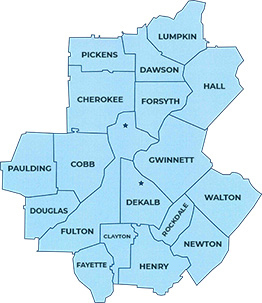
Golden Rule Hospice is a locally owned and operated hospice serving 18 counties across the greater Atlanta area. Our team includes nurses, certified nursing assistants, chaplains, social workers, and bereavement counselors who are here for patients and families alike.