Hospice is not a one-way door. It is a flexible model that adapts to your needs, goals, and family capacity. In Alpharetta and across Fulton County, you can start hospice when symptoms are harder to manage, adjust levels of care if things worsen or improve, pause hospice if you choose, and re-elect it later. Understanding these options helps you decide with confidence.
For clinicians and physicians, this guide provides clear referral indicators, documentation tips, and level-of-care guidance so you can refer earlier, reduce avoidable hospital use, streamline charting, and strengthen patient and caregiver satisfaction.
Hospice at a Glance

Hospice focuses on comfort, symptom relief, and quality of life. Services typically include regular nursing visits, a 24-hour phone line, medications related to comfort, delivery of medical equipment, social work support, chaplaincy, and trained aides. Care can occur at home, in assisted living, in a nursing facility, or in a contracted inpatient setting when symptoms cannot be safely managed at home.
Why many families start sooner than expected:
- Stronger control of pain, breathlessness, anxiety, and other symptoms
- Fewer disruptive trips to the emergency department
- Practical support for caregivers with education and respite
- Whole-person care that honors cultural and spiritual preferences
Your Rights and Choices in Hospice
- You choose when to start. You can request an informational visit first.
- You choose where care happens. Home or residence of your choice.
- You can change the level of care. Support can increase during a crisis and step back when stable.
- You can revoke and re-elect. If you want to pursue other treatments, you can pause hospice and return later.
- You can transfer agencies. If the fit is not right, you can change providers.
Levels of Care Explained
Learn more about the four Medicare-covered levels of hospice care and our Transitional Care pathway here: Golden Rule Hospice Levels of Care
- Routine Home Care
Symptoms are controlled with intermittent nursing, social work, chaplaincy, and aide support in your home or residence. - Continuous Home Care
Time-limited skilled nursing in the home for acute symptom crises such as severe pain, breathlessness, or agitation. - General Inpatient Care
Facility-based care for symptoms that cannot be managed safely at home. The goal is to stabilize and return to the preferred setting. - Inpatient Respite
A short stay that provides caregiver relief to prevent burnout.
Transitional Care
An exclusive pathway that eases families into hospice with added education, planning, and check-ins when timing feels uncertain.
How To Decide: A Step-by-Step Guide
- Clarify What Matters Most. Ask: What does a good day look like in Alpharetta? Which symptoms are hardest? Where do you prefer to be?
- Understand Eligibility and Readiness. Eligibility is a clinical determination about prognosis. Readiness is a personal decision about goals and caregiver capacity. You can be eligible before you feel ready. An informational visit builds readiness without pressure.
- Request an Informational Visit. A nurse can visit your home in Alpharetta or connect by phone. You will review benefits, equipment, medications, and after-hours support. There is no obligation to enroll.
- Match the Initial Level of Care. Choose the least intensive level that safely meets needs, with clear triggers to escalate. Your plan will spell out when to consider continuous home care or general inpatient care.
- Prepare the Home and Caregivers. List primary and backup helpers, arrange equipment, review medication schedules, and save the after-hours number in every phone.
- Reassess Weekly. As needs change, adjust visit frequency or level of care. Your comfort and choices guide the plan.
Why Clinicians Should Not Hesitate To Refer to Hospice
Early referral supports patients, families, and the care team. If you are a physician or advanced practice clinician in Alpharetta or greater Fulton County, consider these advantages.
Clinical Benefits
- Earlier control of pain, dyspnea, anxiety, and delirium
- Fewer preventable hospitalizations and late-night emergencies
- Clear escalation pathways for crises at home or in a facility
Communication and Planning
- Dedicated time for goals-of-care conversations and caregiver teaching
- Practical support for medication management, equipment, and safety
- Consistent updates that align specialists, primary care, and facility partners
Documentation and Compliance
- Structured notes that tie prognosis to objective indicators and functional scales
- Clear justification for level-of-care selection from day one
- Support for audit readiness and plan-of-care updates
Patient and Family Experience
- More time at home with fewer disruptions
- Spiritual and emotional support that reduces distress
- Caregiver training that improves safety and confidence
Early hospice involvement is additive. It complements your medical management, clarifies preferences, and stabilizes care across settings. If you want a clear look at who is on your hospice care team and how each role supports patients and families, read our guide: Your Hospice Team Explained
For Physicians: Overcoming Common Referral Hesitations
“I am not sure the prognosis is six months.”
Use an informational visit. The hospice team can review indicators, track functional decline, and advise on documentation while you continue current treatment.
“The family is not ready.”
Readiness grows with conversation. An informational visit introduces services, answers questions, and supports insight without requiring enrollment.
“I worry about losing touch with my patient.”
You remain the attending physician if you wish. Hospice coordinates with you, shares updates, and seeks your input on changes.
“Symptoms are unstable and may require hospitalization.”
That is precisely when hospice is helpful. Continuous home care or general inpatient care can stabilize symptoms, then step back to routine care.
“What if the patient changes their mind?”
Patients can revoke hospice and re-elect later. Flexibility protects choice and builds trust.
How Hospice Coordinates With Your Existing Care
- Shared Plan Of Care: Goals, medications, equipment, and safety plans are aligned and updated regularly.
- Secure Communication: Phone, portal, and fax options for rapid updates and signatures.
- Medication Management: Comfort medications are reconciled with existing prescriptions to avoid duplication.
- Facility Partnerships: Coordination with assisted living or skilled nursing staff for smooth daily routines and rapid response.
- Crisis Stabilization: Clear triggers for continuous home care or general inpatient care, then a return to the preferred setting when stable.
Practical Tools for Clinicians and Families
Conversation Starters
- “What would make the next few weeks feel calmer and more comfortable?”
- “Where would you want to be if symptoms get worse.”
- “What worries you most about starting hospice?”
Caregiver Readiness Checklist
- Primary and backup helpers identified
- Safe transfer plan and bathroom setup
- Medication list and comfort kit location
- After-hours number saved in every phone
- Plan for what to try first during a change
After-Hours Plan
- Who calls and from which phone
- What symptoms trigger an immediate call
- When to consider continuous home care or general inpatient care
How Golden Rule Hospice Supports Alpharetta
Golden Rule Hospice is local to Metro Atlanta with a neighbor-like approach. We treat patients and caregivers as we would our own families.
What We Provide
- Same-day or next-day informational visits in Alpharetta, Roswell, Johns Creek, and nearby communities
- Nurses, aides, social workers, and chaplains who coordinate with your doctors and facility partners
- Medication and equipment delivery related to comfort
- Clear after-hours support so you always know whom to call
- A Transitional Care pathway to ease into hospice when timing feels uncertain
See how levels of care work in practice. Explore our services for a simple explanation and examples.
Call To Get Answers Today
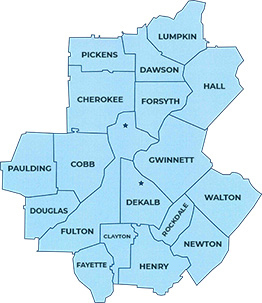
Call (470) 395-6567 or send us a message to discuss a case or request an informational visit. A hospice nurse can speak with you or the family, review indicators, and suggest the safest starting level of care. Explore our services and levels of care to learn how to begin hospice in Alpharetta. Golden Rule Hospice supports families throughout Fulton County, including Alpharetta, Roswell, Sandy Springs, and Johns Creek.