When a loved one enters hospice care, one of the quietest and most persistent fears families carry is this: Will they be so medicated they won’t be themselves anymore?
It is a fair concern, and you are not alone in having it. Many families worry that comfort-focused care means their loved one will be sedated, disconnected, or unable to have meaningful moments together. Some have heard stories. Others have watched too many medical dramas.

The truth is that hospice pain management is not about numbing a person into silence. It is about relieving suffering thoughtfully, with clinical precision and deep respect for who that person is, so they can be as present, comfortable, and themselves as possible for the time they have.
This post walks through exactly how hospice approaches pain, what tools are used, and how the goal of comfort is always balanced with the goal of clarity.
What Hospice Pain Management Actually Means
Hospice care is specialized support focused on quality of life for people with a terminal illness. Pain and symptom management is one of its core functions, but it is never a one-size-fits-all prescription.
Pain in a hospice context is treated as a clinical problem that requires an individualized solution. The hospice team evaluates what kind of pain a patient is experiencing, what is causing it, how severe it is, how it is changing over time, and what the patient’s own goals and preferences are. From there, a care plan is built that is specific to that person.
The goal is not to eliminate all sensation. The goal is to relieve suffering while preserving as much quality of life as the patient values. For some patients, that means being alert enough to have a conversation with their grandchildren. For others, it means sleeping peacefully without distress. The plan is shaped around what matters most to the patient and their family.
The Hospice Pain Management Team: Who Is Involved
One of the things that separates hospice pain care from standard medical care is the number of people involved in the decision. Pain is not managed by a single doctor writing a single prescription. It is managed by an entire interdisciplinary team, working together, in regular communication.
At Golden Rule Hospice, that team includes:
- Registered Nurses who monitor pain levels at every visit, track changes in symptoms, and communicate findings to the physician. Our RNs work to minimize pain and discomfort through treatments that comply with the patient’s wishes, and they also educate family caregivers so the patient stays safe and comfortable between visits.
- Hospice Physicians and Medical Directors who are specialized in pain management and work closely with the patient’s own primary care provider. They can write or adjust prescriptions at any time and are available for consultation whenever you have questions about symptom progression.
- A 24-Hour On-Call Nurse available every hour of the day or night, because pain does not wait for business hours. If something changes at 2 a.m., help is a phone call away.
- Certified Nursing Assistants who support daily comfort through personal care, positioning, and hands-on attention that can directly reduce physical discomfort.
- Chaplains and Social Workers who address the emotional and spiritual dimensions of pain, because suffering is never purely physical.
You can learn more about the full scope of physical care services on our Physical Support and Management page.
Pharmacological Pain Management: How Medications Are Used Carefully
Medications are a central part of hospice pain care, but the way they are used is very different from what most people fear.
Medications are started at the lowest effective dose. The hospice physician begins with the smallest amount of medication that provides relief, then adjusts only as needed based on ongoing assessment. The goal is to use what works, not more than what is necessary.
Medications are chosen based on the type of pain. Not all pain responds to the same medication. Bone pain, nerve pain, muscle pain, and visceral pain each respond differently to different drug classes. A hospice physician trained in pain management understands these distinctions and selects accordingly, rather than defaulting to a single solution.
Medications are reviewed and adjusted regularly. As a patient’s condition changes, so does their pain. Hospice nurses assess pain at every visit using validated pain-rating tools and report changes to the physician so the plan can be updated. This continuous monitoring is what prevents both undertreated pain and overmedication.
Our Hospice Medical Director can write prescriptions for medications that manage symptoms across a wide range of conditions, always in consultation with the patient’s physician and always in alignment with the patient’s wishes.
Non-Pharmacological Pain Management: Beyond Medication
Here is what many families are surprised to learn: hospice uses a wide range of non-medication strategies to manage pain, and these approaches are not secondary to drug therapy. They are considered equal partners in a whole-person care plan.
Positioning and physical comfort play a significant role in pain relief. The way a person is positioned in bed, the support their mattress provides, whether they are moved or turned regularly, these factors directly affect pain levels. CNAs and nurses are trained to assess and optimize physical positioning as part of routine care.
Physical, occupational, and speech therapy are available through the hospice team and can help patients maintain as much mobility and function as possible, which in turn reduces pain related to immobility, muscle tension, and joint stiffness. Therapy supports the patient’s independence in a way that also reduces physical suffering.
Dietary support and guidance from our team can reduce pain and discomfort related to digestive issues, appetite changes, and nausea, which are common sources of suffering in terminal illness that are often overlooked.
Emotional and spiritual care directly affects the experience of pain. Research consistently shows that psychological distress, anxiety, fear, and unresolved emotional suffering intensify the physical experience of pain. Our chaplain and social work team address these dimensions directly, which often reduces the amount of medication needed to achieve comfort.
Volunteer companionship through our volunteer program provides presence, distraction, and human connection, all of which have measurable effects on pain perception and patient wellbeing.
What “The Patient’s Wishes” Really Means in Practice
You will hear hospice providers say that care is always guided by the patient’s wishes. But what does that actually look like when it comes to pain management?
It means that if your loved one says they would rather tolerate some discomfort in order to remain more alert and engaged, the team respects that. It means that if a patient’s spiritual or cultural beliefs influence how they view medication, those beliefs are honored. It means the care plan is not imposed on the patient; it is built with them and their family.
At Golden Rule Hospice, physicians consult with the patient, the family, and the patient’s primary care provider together. No prescription is written in isolation. No decision is made without conversation. Our physicians will always honor the patient’s wishes and those of the family and primary care provider.
This is what person-centered care looks like in practice.
When Pain Changes: How Hospice Responds
Pain in a terminal illness is not static. It changes as the illness progresses, as the body changes, and as the patient’s needs shift. Hospice is built to respond to that change in real time.
If pain increases between scheduled nurse visits, you do not have to wait. Our 24-hour on-call nursing team is available around the clock to provide guidance, assess changes, and communicate with the physician so medication can be adjusted without delay.
If a patient enters a period of medical crisis, our Levels of Care include Continuous Care, which provides short-term, intensive nursing support at home during acute symptom flares. This means that even during the most difficult moments, your family is not left to manage alone.
Understanding how to recognize and respond to a change in symptoms is one of the most important things a caregiver can do.
The Role of Caregiver Education in Pain Management
Pain management at home depends, in part, on what family caregivers know and feel confident doing. Part of the hospice nurse’s role is to educate caregivers so they understand what symptoms to watch for, how to report them, when to call, and how to keep their loved one comfortable between visits.
This education is not clinical overload. It is practical, compassionate, specific to your loved one’s situation, and always delivered with the understanding that you are doing something extraordinary by being present for this.
You should never feel uncertain about what to do if your loved one appears to be in pain. That is what the team is here for.
Our Family and Caregiver Support services are designed specifically to keep caregivers informed, supported, and never alone in this process.
Your Loved One Deserves Comfort, Clarity, and Dignity
Hospice pain management, when done well, gives patients back something that illness had taken from them: the ability to be present with the people they love, to rest without suffering, and to move through this time with as much comfort and dignity as possible.
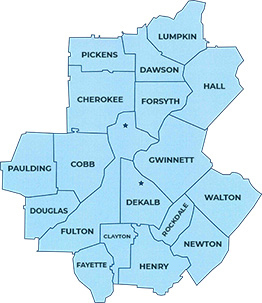
If you are caring for a loved one with a terminal illness in the Atlanta area, Call us at (470) 395-6567, Or visit our Contact page to reach us online. Our team is here to answer every question honestly and without pressure.